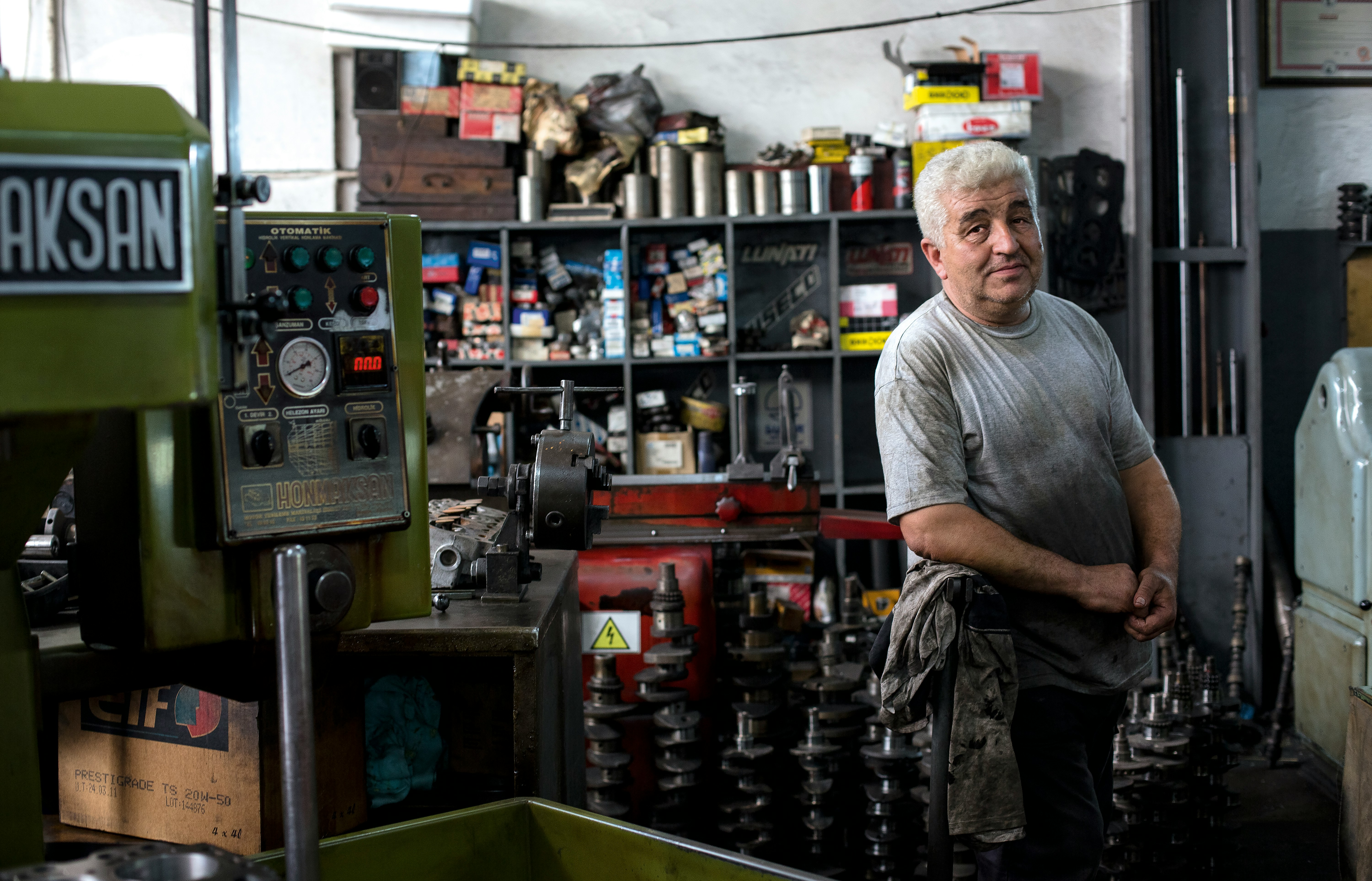

Fleet auto insurance is up. Materials cost more than they did six months ago. Even the monthly lease on that small commercial shop space feels heavier than it should.
A report published last week by Small Business Trends called "Key Small Business Overhead Costs to Consider" walked through the fixed expenses quietly eating away at local margins right now. The authors did a fine job breaking down the physical costs of keeping the lights on. But they missed the quietest, most expensive overhead leak of all.
Your website.
When overhead spikes, you need a high volume of inbound leads just to break even. You absolutely can't afford to leak booked jobs because your digital presence is a mess.
When we audit client sites for plumbing outfits or dental clinics, we always look at digital overhead. I don't just mean the monthly fee you pay for some heavy marketing platform that promised you the first page of Google. I mean the actual cost of lost business because your site takes six seconds to load on a 5G connection. Every time a homeowner hits the back button because your mobile page froze, you still pay your physical rent. You just don't get the revenue to cover it.
That math doesn't hold up anymore.
We've watched shops bleed thousands of dollars in missed jobs simply because their website infrastructure is actively working against them. Most local businesses run on bloated WordPress themes that load fourteen different plugins before the phone number even appears on the screen (especially when they stack heavy visual builders on top of cheap shared hosting). A roofing contractor will install a zip-code mapping plugin because they hope to trick Google Maps into ranking them in the next town over. All it does is break the mobile layout.
Google doesn't guess. It skips you.
Why slow mobile pages get skipped first
How does a panicked homeowner actually use their phone? When water is pooling in the basement, they open Google or a tool like ChatGPT and type something highly specific like "emergency water heater repair near me upfront price". They want a fast answer. They want a phone number.
If your site serves up a massive unoptimized image and a broken popup, the search engine drops you down the local map pack. The customer calls the shop three blocks away.
To be fair, if most of your work comes from standing commercial contracts or local word of mouth, a slow website might not bankrupt you this quarter. You can survive on referrals for a while. But if you rely on fresh residential leads to keep your vans moving, speed is survival. The Google Maps algorithm looks closely at user behavior. If people click your listing and immediately bounce back to the search results, Google assumes your business is closed or irrelevant.
You lose your ranking so the phone stops ringing entirely.
Bench Note: If you run an HVAC crew, a single missed emergency AC replacement costs you five to eight thousand dollars in top-line revenue. You still pay your physical rent while your competitor cashes the check from a customer who tried to visit your site but gave up.
How AI answer engines read your local business
The search game is shifting fast. We aren't just optimizing for traditional Google blue links anymore. Buyers are using Perplexity, Claude, and Google AI Overviews to find local contractors and software tools.
These systems don't read your website like a human does. They scrape the raw HTML to extract facts, service areas, and pricing. If your digital overhead includes a heavy visual builder that hides your actual text behind layers of messy code, the AI simply can't read it. It moves on to your competitor.
We see indie SaaS founders fall into the exact same trap. They build a beautiful animated landing page to sell their new tool. But when a stressed operations manager opens Claude and types "simple invoicing app for 4-person electrical crew", the AI cannot extract the basic features. The text is buried under layers of dynamic Javascript. The bot skips the fancy startup and recommends a boring text-heavy competitor instead.
You need clean semantic code so the bots can actually understand what you sell. When ChatGPT crawls your site looking for a local recommendation, it wants hard facts. It looks for simple HTML tags like standard headings and paragraphs. It wants to see your exact street address, your business hours, and a clear list of the services you provide.
If you bury that information in a fancy graphic, the AI engines will tell the searcher you don't exist.
Let's look at how typical local marketing spend actually translates to visibility.
| Common digital expense | What owners think it does | What actually happens now |
|---|---|---|
| All-in-one marketing platforms ($300+/mo) | Handles SEO, booking, and reviews in one place. | Bloats the code and slows down mobile load times. |
| Heavy visual page builders | Makes the site look modern and expensive. | Buries real text in messy code so AI engines skip it. |
| Dedicated mobile apps for local service | Gives customers a premium way to book jobs. | Wastes budget because nobody downloads an app for a plumber. |
| Keyword stuffing city names on the homepage | Tricks Google into ranking the shop in fifty different zip codes. | Triggers a spam filter and tanks your actual local map ranking. |
Stop paying for cheap shared hosting
We still see founders make this trade-off. They fight tooth and nail to save five dollars a month on a budget web host. Then they share a server with four thousand other websites.
That is a terrible place to cut corners.
In our own site speed tests, moving a local contractor from a cheap shared box to a dedicated cloud server cuts mobile load time in half. That single hardware upgrade translates directly to lower bounce rates and more inbound calls. When overhead is eating your margins, you have to protect the systems that actually bring money in the door.
Look, I get it. You are running a business, not a web development agency. When we pull local search results for roofing shops, we usually find a graveyard of forgotten marketing experiments. There is a tracking script from a 2019 Facebook ad campaign still running in the header. There is a broken chat widget sitting over the quote button on mobile devices. Every single one of these things adds weight to the page.
Fixing the digital leak without blowing your budget
You do not need to rebuild your site overnight if the foundation is solid. But you do need to audit what is running in the background. We see business owners panic about rising rent while ignoring a website that costs them four booked jobs a week.
Start with your mobile load speed. Pull out your smartphone, disconnect from the shop wifi, and try to load your own homepage. Does it pop up instantly? Can you tap the phone number to call without zooming in?
If the answer is no, you have a problem.
Strip out the dead weight. Most of those tracking scripts and popups you installed three years ago just slow you down. They sit in the background and burn precious milliseconds. You can fix this by taking a few basic steps.
- Compress every single image on your homepage before you upload it to the server.
- Delete any WordPress plugin you have not actively used in the last ninety days.
- Update your Google Business Profile so the address matches your website footer exactly.
- Write clear plain text answers to the questions your customers ask on the phone every single day.
People are getting incredibly specific. They do not just search for a roofer anymore. They ask Perplexity specific questions like "local roofing contractor experienced with flat commercial roofs near me". To capture that highly targeted traffic, your service pages need plain English text. No jargon. No massive blocks of keyword spam.
This is how you train AI engines to trust you. You give them clean data.
If you suspect your site is actively hurting your lead flow, run it through our free Technical SEO & GEO Website Audit to see what the bots actually see. We map out exactly where the code breaks so you can hand a checklist to your developer.
Overhead is a reality of doing business. You pay for trucks, tools, and talent. Those investments make you money.
A slow website just burns it.
Every second of delay on a mobile screen acts as a silent tax on your local visibility. You can trim your physical budget all day long. But if your digital front door is jammed shut, you will never see the traffic you need to keep the lights on.
Fix the code. Speed up the site. Make the phone ring.