
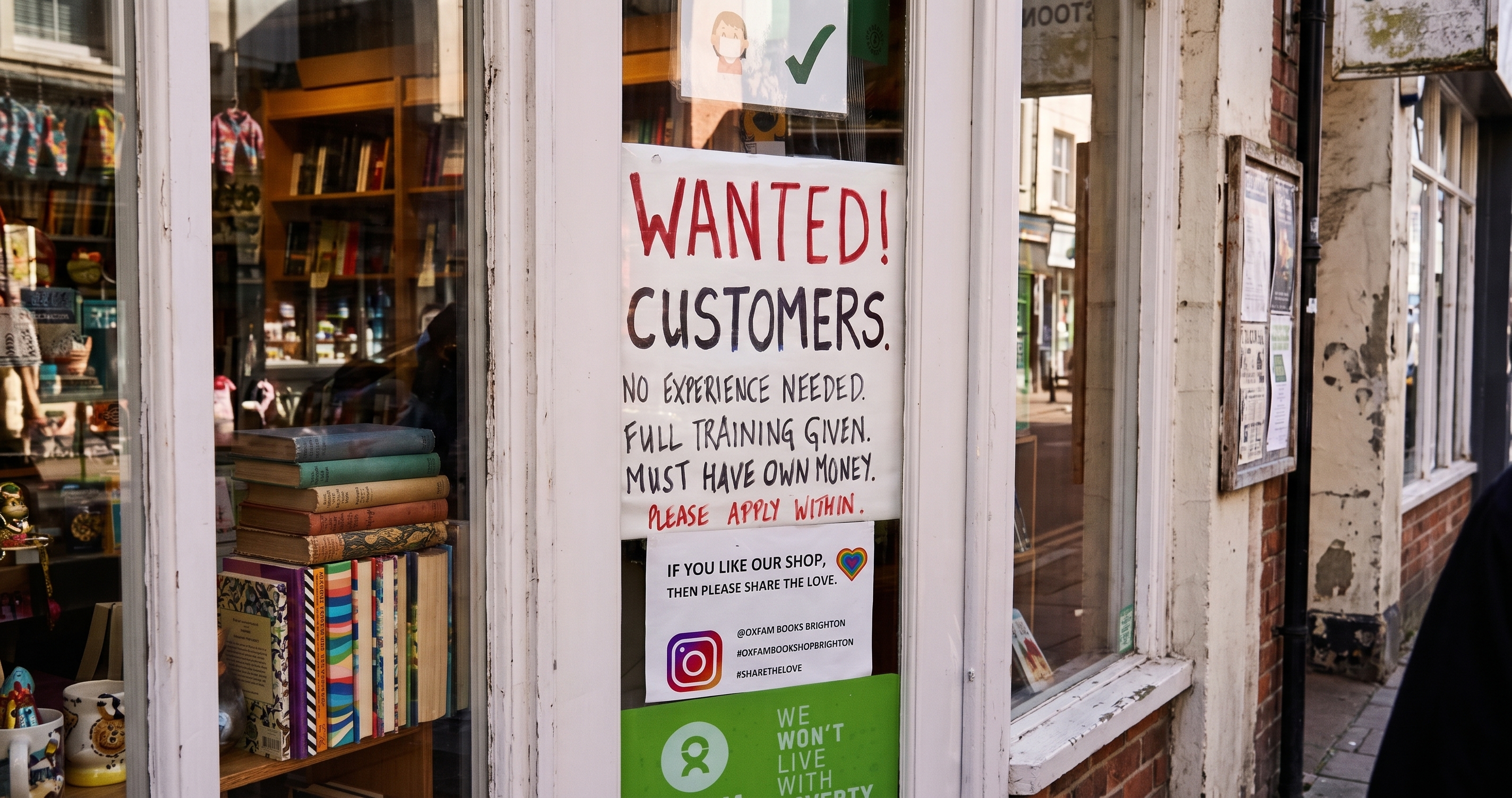
An important lesson for every indie hacker building a product from scratch.
There is something special about making your first online sale.
It doesn't matter whether someone pays $2, $20, or $200. When a stranger finally decides that something you've built is worth paying for, it changes how you look at your business.
But getting that first payment can be surprisingly difficult.
A founder recently shared an interesting story on Indie Hackers. After five months of building a product, they had 27 registered accounts and 25 completed searches. Six users had approved a generated draft, but revenue was still exactly zero.
Even the upgrade button had never been clicked.
Then something unexpected happened.
Instead of spending more time changing the pricing page, the founder asked the community a simple question:
How would you actually prefer to pay for this product?
Most people suggested paying per draft or per search rather than committing to a monthly subscription.
The founder already had a $1.99 pay-per-search option available. After explaining that in the discussion, someone made the first purchase just 14 minutes later.
Five months of guessing had been replaced by one useful conversation.
There are several lessons worth taking from this story.
1. Don't assume customers want another subscription
We have become accustomed to subscription-based software.
Almost everything seems to have a monthly plan: productivity tools, marketing platforms, AI applications, analytics software, and even relatively simple utilities.
But consider the position of someone discovering a new product.
They don't know whether it works. They don't know whether they will use it regularly. They haven't developed any trust in the company yet.
Asking them to commit to another monthly payment can be a much bigger decision than asking them to pay a small amount for something they already found useful.
For some products, a one-time payment, credit system, or pay-as-you-go model may be a much easier starting point.
The right pricing model depends on how customers use the product. The important thing is to ask rather than assume.
2. Let customers experience the value before asking them to pay
One detail in this story deserves particular attention.
The founder offered two free matches before asking users to pay to unlock the remaining results.
That meant customers could see what the product actually delivered before making a purchase.
This is different from asking someone to enter payment information before they have experienced anything.
A free trial, sample result, limited free usage, or small initial purchase can help reduce uncertainty.
The objective isn't necessarily to give everything away for free. It's to demonstrate enough value that paying feels like a reasonable next step.
3. Talk to users before rebuilding your pricing page
Founders often spend too much time making decisions without talking to customers.
They change subscription prices, introduce new plans, redesign checkout pages, and experiment with complicated pricing structures.
Sometimes the answer is much simpler.
Ask people who have already tried the product:
- What were you trying to accomplish?
- Did the product solve your problem?
- What stopped you from paying?
- Would you prefer a one-time payment or a subscription?
- What would make you comfortable buying it?
These conversations can reveal problems that analytics alone cannot explain.
Analytics can tell you where people leave. Conversations can help explain why.
4. Your first sale doesn't mean the entire funnel works
The founder's numbers also reveal something important.
Twenty-seven accounts resulted in 25 searches, six approved drafts, and eventually one payment.
The first payment is encouraging, but there is still a significant gap between someone registering, experiencing value, and becoming a customer.
That gap deserves attention.
Instead of immediately spending more money on advertising, understand what happens to existing users.
Where do they stop?
Are the results relevant? Is the product difficult to understand? Is the price unclear? Do users simply have no reason to return?
Improving one step in the customer journey can be more valuable than bringing in another hundred visitors.
5. Don't underestimate the power of being present where your customers are
There is another interesting detail in this story.
The first customer didn't simply discover a pricing button.
They read the founder's discussion, tried the free product, saw the value, and then received an explanation of the $1.99 option in the same conversation.
The discussion itself helped build enough trust to complete the purchase.
This is why distribution matters.
Building a useful product is only one part of running a software business. People also need to discover it, understand what it does, and have a reason to try it.
For independent founders, that can mean participating in relevant communities, getting listed in software directories, working with niche creators, publishing useful content, and building an organic search presence.
There isn't one magic launch platform that guarantees customers. Consistent visibility across relevant channels is often a better long-term approach.
The lesson: Stop guessing and start listening
The most interesting part of this story isn't the $2.13.
It's the fact that five months of building and pricing experiments were followed by a sale after one straightforward conversation.
The founder still needs to find the second paying customer. They need to understand whether the purchase was repeatable, whether users will return, and whether the pricing model works without personal intervention.
But they now have something they didn't have before: evidence that someone is willing to pay.
If you're building a SaaS product, don't spend all your time optimizing something customers haven't asked for.
Talk to your users. Let them experience the product. Make the first purchase easy to understand. And pay attention to what happens after someone signs up.
Your next paying customer might be closer than you think.
Building something of your own?
At NextRankHQ, we help independent founders and software companies improve product visibility through software directory submissions, organic distribution, creator outreach, and editorial exposure.
Because building a good product is only half the journey. The other half is getting it discovered.