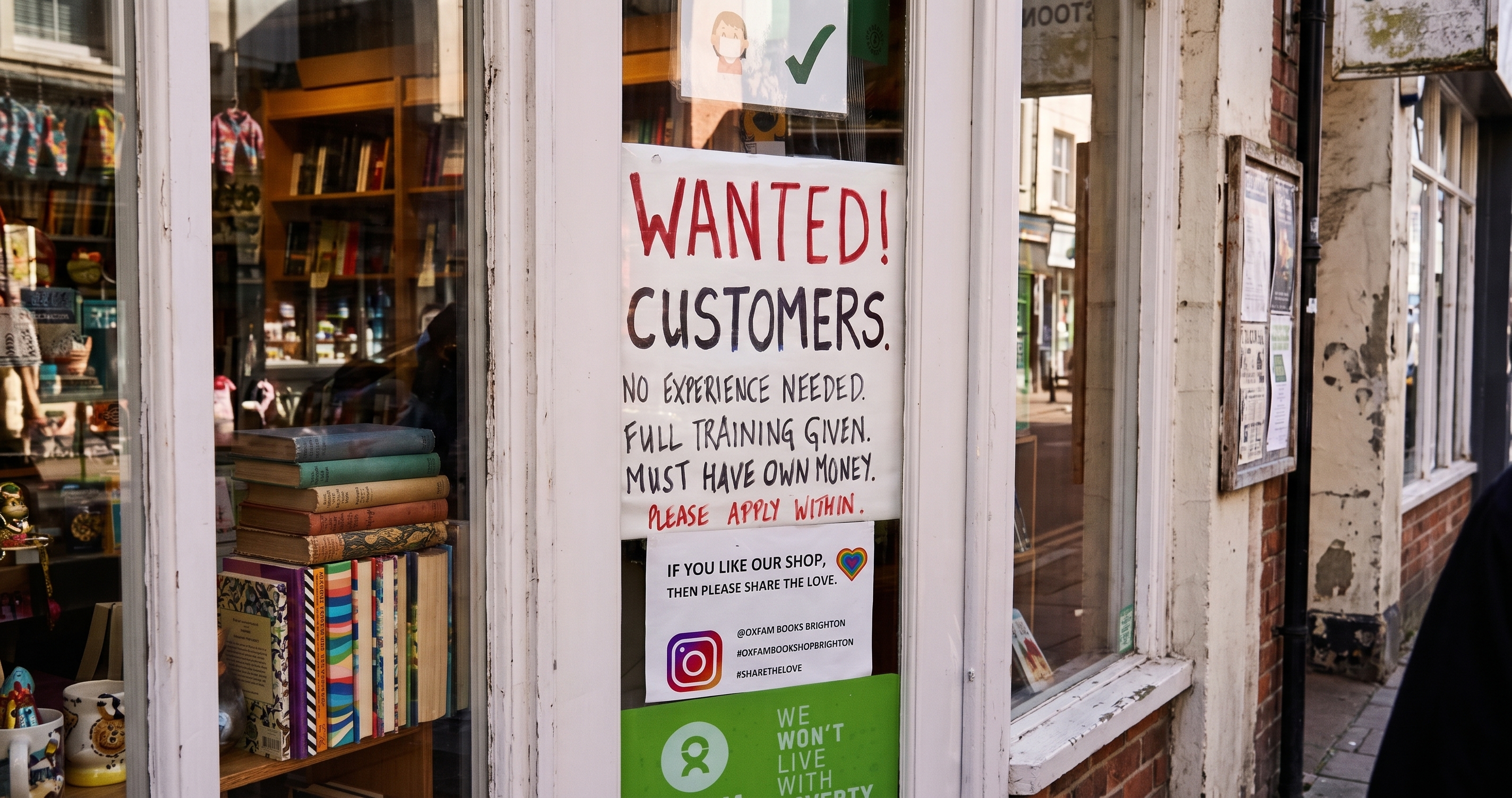

Many small businesses believe they need more marketing to grow.
They invest in a new website, publish more social media posts, run advertisements, or introduce another service. When the expected customers don't arrive, they assume they need to spend more money or try a different marketing channel.
But sometimes marketing isn't the real problem.
The problem may be the offer itself.
A Better Website Can't Fix an Unclear Offer
A professional website can make your business look more credible. Good photographs, clear service descriptions, customer reviews, and an easy contact process all help.
However, a website cannot create demand for something people don't need.
Imagine a local cleaning company introducing a new premium cleaning package. The owner invests in a beautiful landing page, publishes several social media posts, and offers an introductory discount.
But nobody books.
There are several possible reasons:
- Customers don't understand what makes the package different.
- The service doesn't solve a problem they currently have.
- The price doesn't match what they believe the service is worth.
- The offer is reaching people who aren't looking for that service.
Redesigning the page or publishing more posts won't necessarily solve these problems.
First, the business needs to understand how potential customers think about the service.
Talk to People Who Have the Problem
One of the most useful ways to evaluate a new offer is to talk to people who have already experienced the problem you're trying to solve.
Don't start by asking:
"Would you buy this service?"
People are often polite. They may say something sounds interesting without having any intention of paying for it.
Ask questions about their actual experience instead:
- How do you currently handle this problem?
- When did you last need this service?
- What did you do to solve it?
- How much time or money did it cost?
- What was frustrating about the experience?
- Have you paid someone else to solve it?
These questions help you understand whether a problem exists beyond your own assumptions.
For example, a contractor considering an annual home-maintenance package should speak with homeowners who have recently paid for repairs or maintenance.
Their actual experiences may reveal which services people need regularly and which ones are unlikely to attract interest.
Focus on a Specific Type of Customer
Trying to sell to everyone makes it difficult to explain why someone should choose your business.
A more focused offer is usually easier to communicate.
Consider these two examples:
General offer: We provide professional cleaning services for homes and businesses.
Specific offer: We provide move-out cleaning for tenants who need their rental property ready for inspection.
The second offer speaks to a particular customer with a particular situation.
You can build a more relevant website page, write better advertisements, and answer more specific customer questions because you know who you're trying to reach.
You don't necessarily need to change your entire business. Start by identifying one service and one group of customers you want to attract.
Test the Offer Before Making a Big Investment
You don't need to build an entire website, launch a complicated campaign, or create a new system just to test an idea.
Start small.
Create a simple page explaining:
- Who the service is for.
- What problem it solves.
- What the customer receives.
- How much it costs, or how pricing is determined.
- How someone can contact you or book the service.
Then put that offer in front of people who are likely to need it.
You can share it with existing customers, contact relevant prospects, or promote it through a small targeted campaign.
Pay attention to what people actually do.
Do they ask about the service? Request a quote? Schedule a consultation? Make a booking?
These actions provide more useful information than compliments or social media likes.
Measure More Than Website Traffic
Getting visitors to your website is only one part of the process.
You should understand what happens after someone arrives.
For example, consider a local service business running an advertisement:
- 1,000 people see the advertisement.
- 80 visit the website.
- 12 view the service details.
- 4 request a quote.
- 1 becomes a customer.
This simple breakdown gives you somewhere to investigate.
Perhaps the advertisement isn't attracting the right people. Perhaps the service page doesn't explain the offer clearly. Maybe the contact process is too difficult.
Without measuring these steps, it's easy to keep spending money without knowing what needs fixing.
You don't need an expensive analytics setup to begin. Track where enquiries come from, which services people ask about, and how many enquiries turn into paying customers.
Change One Thing at a Time
When something isn't working, resist the temptation to change everything at once.
Don't redesign the entire website, replace every advertisement, change your pricing, and introduce three new services in the same week.
You won't know which change made a difference.
Instead, make one meaningful change, record when you made it, and observe the results.
For example, you could first improve the description of a service. Then measure whether more visitors contact you.
Next, you might simplify the enquiry form and see whether more people complete it.
Small, measurable improvements make it easier to understand what works for your business.
Make Sure You're Solving the Right Problem
Marketing is important, but more marketing isn't always the answer.
Before increasing your advertising budget or investing in another website redesign, take a closer look at what you're selling and who you're trying to reach.
Talk to real customers. Understand their existing problems. Present a clear offer. Test it on a small scale. Measure what happens.
A business doesn't grow simply because it has a better website, more social media posts, or more sophisticated tools.
It grows when the right people understand the offer, see its value, and have a good reason to become customers.